
Do you need Earthquake Insurance?
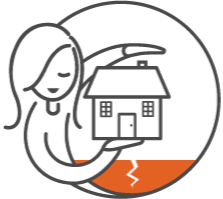
Earthquakes are a natural disaster that can strike without warning, leaving a path of destruction in their wake. Knowing whether obtaining earthquake coverage is worth it can be a tough question to answer. We’ve broken down some pros and cons of earthquake insurance to better help you answer this question.

What is Earthquake Insurance?
Earthquake insurance helps protect against the financial losses incurred in the aftermath of an earthquake. Earthquake insurance specifically addresses the unique risks and damages associated with seismic activity.
Is earthquake damage covered by my homeowners policy?
Earthquake damage is not typically covered under a standard homeowners insurance policy. Most homeowners policies are designed to cover losses caused by events such as fire, wind, theft, and certain types of water damage, but they specifically exclude damage resulting from earthquakes and earth movement. To obtain protection for earthquake-related losses, homeowners generally must purchase a separate earthquake insurance policy or endorsement. Without this additional coverage, policyholders may be responsible for paying out of pocket for repairs to their home, personal property, and other associated damages caused by an earthquake.

Top 3 Pros of Earthquake Insurance
1. Protection Against Seismic Risks: Earthquake insurance is usually tailored to cover the repair or replacement costs of your property and possessions following an earthquake.
2. Security: Earthquakes can result in substantial property damage and loss. Without earthquake insurance, you may be responsible for the entire cost of rebuilding or repairing your home and replacing your belongings. Earthquake insurance provides financial security during a time of crisis. Knowing that your property and assets are protected in the event of an earthquake can provide significant peace of mind, letting you focus on the safety and well-being of those in the home, not worrying about potential financial consequences.
3. Lender Requirements: If you have a mortgage on your property, your lender may require earthquake insurance, especially if your property is in a high-risk seismic zone. Compliance with lender requirements is another compelling reason to consider earthquake insurance.
Top 3 Cons of Earthquake Insurance
1. Cost: Is the risk of damage worth the cost of an earthquake policy? A higher deductible may lower the total cost of a policy, but could make it more difficult to recover from an earthquake.
2. Limited Coverage: Earthquake insurance may not cover all losses associated with an earthquake. Some policies have exclusions, and coverage limits can vary. It's crucial to understand the policy terms and conditions to ensure it meets your needs.
3. Regional Variability: Earthquake risk varies from one region to another. In areas with lower seismic risk, some property owners might feel that earthquake insurance is unnecessary, given the lower probability of an earthquake occurring.
Is Earthquake Insurance Right for You?
Deciding whether to purchase earthquake insurance depends on various factors:
1. Location: Homes located near fault lines or in historically active seismic areas may face a greater likelihood of earthquake-related damage and potentially higher repair costs.
2. Property Value: Homeowners with substantial investment in their home and personal property may want to consider the potential financial devastation of repair or replacement expenses after a major earthquake.
3. Financial Stability: Homeowners should consider whether they have sufficient savings or financial resources to handle major repair costs, temporary housing expenses, and other out-of-pocket losses following an earthquake.
4. Lender Requirements: Some lenders may require coverage for properties located in high-risk areas. If you have a mortgage, check to see if your lender mandates earthquake insurance. Even if it is not mandated, lenders may still encourage homeowners to evaluate their exposure to potential earthquake losses.
5. Deductible and Premiums: Earthquake policies often carry higher deductibles than standard homeowners. Review the balance between premium affordability and deductible amounts to determine whether the coverage fits within your financial goals and risk tolerance.

Should You Get Earthquake Insurance?
It's essential to weigh the pros and cons, assess the risk in your region, and carefully review policy terms. While earthquake insurance can be a significant financial safeguard in earthquake-prone areas, it's important to make an informed choice that aligns with your individual needs and financial situation. Ultimately, peace of mind and financial security during an earthquake are the key benefits of having earthquake insurance, making it a viable option for many homeowners and property owners.
How to Obtain Earthquake Insurance?
At QuakePrice, earthquake insurance is our specialty. Get in touch with one of our earthquake experts to get a fast and easy quote.
Call us at (866) 407-8253.
Disclaimer: The information on this site is provided for general guidance and informational purposes only. We make no guarantees regarding the completeness or reliability of the content. All liability for any reliance on the information is expressly disclaimed.
